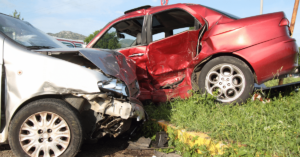


Rear-end car accidents are among the most common motor vehicle crashes in Connecticut and Massachusetts. They are also among the most misunderstood when it comes to legal fault and insurance responsibility. Many people assume the driver in the back is always at fault. While that’s often true, the law recognizes important exceptions that can completely change the outcome of an injury claim.
If you were hurt in a rear-end collision, understanding who is legally at fault is critical to protecting your right to compensation.
What Is a Rear-End Accident?
A rear-end accident occurs when one vehicle strikes the back of another. These crashes frequently happen in:
-
Stop-and-go traffic
-
Construction zones
-
Highway slowdowns
-
Intersections and traffic lights
-
Sudden stops on local roads
In Connecticut and Massachusetts, rear-end crashes are a leading cause of whiplash, back injuries, concussions, and spinal trauma—even at relatively low speeds.
For a free legal consultation, call 203-437-6190
Who Is Usually at Fault in a Rear-End Collision?
The Presumption: The Rear Driver Is At Fault
In most cases, the driver who hits another vehicle from behind is presumed to be at fault. Why?
Drivers are legally required to:
-
Maintain a safe following distance
-
Pay attention to traffic conditions
-
Anticipate stops and slowdowns
Failing to do so is often considered negligent driving.
But this presumption is not absolute.

When the Front Driver May Be At Fault
There are several situations where the front driver—or even a third party—may share or bear full responsibility:
Sudden or Illegal Stops
If the front vehicle stops abruptly without a valid reason (for example, slamming on brakes to check a phone or intentionally brake-checking), fault may shift.
Broken or Non-Functioning Brake Lights
If brake lights were not working, the rear driver may not have had adequate warning to stop.
Unsafe Lane Changes
A driver who cuts suddenly into another lane and is immediately rear-ended may be partially or fully at fault.
Reversing Into Another Vehicle
If a driver reverses unexpectedly and causes impact, they may be liable—even if the damage appears “rear-end.”
Road Hazards or Weather Conditions
Poorly maintained roads, construction debris, or sudden hazards can shift liability to a municipality, contractor, or third party.
Click to contact our personal injury lawyers today
Comparative Negligence in CT & MA
Both Connecticut and Massachusetts follow comparative negligence rules, meaning fault can be shared between drivers.
-
You can still recover compensation even if you were partially at fault
-
Your recovery is reduced by your percentage of responsibility
-
Strong evidence can dramatically change how fault is assigned
This is where experienced legal representation makes a measurable difference.
Complete a Free Case Evaluation form now
How Fault Is Proven in Rear-End Accident Claims
Insurance companies don’t simply rely on assumptions. Fault is determined using evidence such as:
-
Police crash reports
-
Vehicle damage analysis
-
Traffic camera or dashcam footage
-
Witness statements
-
Accident reconstruction
-
Cell phone and vehicle data
Early investigation is critical—especially when the insurance company tries to shift blame.
Common Injuries in Rear-End Crashes
Rear-end collisions often cause delayed-onset injuries, meaning symptoms appear days later. Common injuries include:
-
Whiplash and soft-tissue injuries
-
Herniated or bulging discs
-
Concussions and mild traumatic brain injuries
-
Shoulder and knee injuries
-
Chronic neck and back pain
Never assume an injury is “minor” simply because the crash seemed small.
Rear-End Accidents in Connecticut & Massachusetts
We regularly represent rear-end accident victims throughout New England, including clients injured in and around:
-
Springfield and Western Massachusetts
-
Hartford and the I-84 corridor
-
New Haven and the Connecticut shoreline
-
Bridgeport and Fairfield County
-
Waterbury and the surrounding communities
Whether your crash happened on a busy highway, at a downtown intersection, or on a local road, the legal principles are the same. Local experience matters.
Why Insurance Companies Fight Rear-End Claims
Despite the presumption of fault, insurers often try to:
-
Downplay injuries
-
Argue pre-existing conditions
-
Shift partial blame to the injured driver
-
Push fast, low settlements
Without legal guidance, many injured people unknowingly accept far less than their claim is worth.
How a Personal Injury Lawyer Can Help
An experienced rear-end accident attorney can:
-
Preserve and gather critical evidence
-
Challenge fault assumptions
-
Prove the full extent of your injuries
-
Handle all insurance communications
-
Maximize settlement or trial recovery
Most importantly, your lawyer levels the playing field.
Speak With a Rear-End Accident Lawyer Today
If you were injured in a rear-end collision, do not assume fault has already been decided. The details matter—and they can make or break your case.
At Jonathan Perkins Injury Lawyers, we help accident victims throughout Connecticut and Massachusetts pursue full and fair compensation.
✔ Free Consultation
✔ No Fee Unless We Win
✔ Offices Across CT & MA
📞 Call 800-PERKINS or contact us online to get answers today.