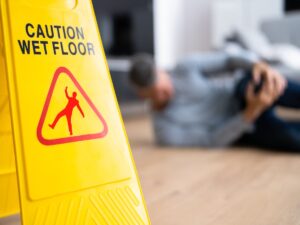



Slipping and falling in public can be embarrassing and painful, but many people fail to realize when another party is liable for their injuries. However, if your slip-and-fall accident occurred on another party’s property, you may be able to receive compensation for your injuries through a slip-and-fall lawsuit.
Read on to learn more about who is liable for slip-and-fall accidents in Connecticut.
Proving Liability in Slip and Fall Claims
To win your case, you must establish these four key elements of negligence:
- Duty of Care: The property owner owed you a duty to maintain reasonably safe conditions.
- Breach of Duty: They failed to fix or warn about a dangerous condition.
- Causation: The hazard directly caused your fall and injuries.
- Damages: You suffered measurable losses such as medical bills, lost wages, or pain and suffering.
Your attorney will gather evidence such as maintenance records, surveillance footage, and expert testimony to strengthen your claim.
Schedule a free legal consultation with our personal injury team.
When Is a Property Owner Liable for a Slip-and-Fall Injury?
In Connecticut, property owners have a duty of care for maintaining safe establishments for customers, visitors, and any individuals who enter their property. This responsibility includes ensuring that no hazardous conditions exist that could result in a slip-and-fall injury.
If a property owner failed to create a safe establishment, and this neglect led to a slip-and-fall injury, the property owner may be liable for the accident. However, to make a successful slip-and-fall case, plaintiffs must be able to prove that the following three conditions led to their injury:
- A dangerous condition was present on the property at the time of the injury.
- The property owner (defendant) knew about the hazardous condition or should have known about it.
- The property owner had time to resolve the hazard but failed to do so.
One important aspect of proving a property owner’s liability is supporting that the hazardous conditions led to the slip-and-fall accident. A few common dangerous conditions in slip-and-fall cases include:
- Wet floors
- Defective stairs
- Ice
- Leaky pipes
- Spills
- Cracked or slippery walkways
- Insufficient lighting
However, if property owners place appropriate signage near these conditions to warn visitors of their danger, they may not be liable for any injuries that occur.
In some cases, a party other than the property owner may be responsible for maintaining and caring for the property, such as a contractor or property manager. The plaintiff should be sure to identify which party is at fault before proceeding with the case.

When Is the Property Owner Not Liable For a Slip-and-Fall?
In some instances, the property owner may not be liable for injuries that occur on their premises.
For example, Connecticut has ongoing storm laws that dictate that property owners are not responsible for injuries that occur during a storm. If a visitor slips and falls during an ice or snowstorm or within a reasonable time after the storm, they cannot hold the property owner liable for their injuries.
Further, if the slip-and-fall victim was a trespasser, the landowner may not be responsible for any slip-and-fall injuries that occur. However, this exception may not apply if children enter the premises without permission.
Finally, the victim must file a slip-and-fall suit within two years of the injury to qualify for compensation.
Common Defenses in Slip and Fall Cases
Property owners often try to avoid responsibility using these common defenses:
- Open and Obvious Hazard: Claiming the danger was visible and could have been avoided.
- Assumption of Risk: Arguing that you knew about the hazard but proceeded anyway.
- Comparative Negligence: Alleging that your carelessness contributed to the accident.
Both Connecticut and Massachusetts follow comparative negligence laws, which means your compensation can be reduced based on your percentage of fault — but you can still recover damages if you were less than 50% responsible.
Understanding Slip and Fall Accidents
A slip and fall occurs when someone slips, trips, or falls because of a hazardous condition on another person’s property. These accidents often stem from unsafe premises and negligent maintenance.
They are common in:
- Grocery stores and malls
- Apartment complexes and hotels
- Parking lots and sidewalks
- Restaurants, offices, and nursing homes
According to the CDC, over 800,000 people are hospitalized every year due to fall-related injuries in the U.S. Many of these could have been prevented if property owners took proper precautions.
Common Causes of Slip and Fall Accidents
Wet and Uneven Surfaces
Spilled liquids, snow, ice, or uneven flooring are leading causes of slips and falls. In both states, property owners are required to warn visitors about known hazards and maintain safe walking surfaces.
Winter Weather
In New England, snow and ice pose significant dangers. Property owners must shovel sidewalks, salt steps, and clear ice within a reasonable timeframe after storms. Failing to do so can result in liability.
Poor Lighting
Dimly lit hallways, staircases, or parking lots increase the risk of accidents. Proper lighting is a key part of maintaining safe premises.
Unsafe Stairs and Railings
Loose handrails, broken steps, and uneven risers make stairs particularly dangerous. Building owners are required to comply with local safety codes to prevent falls.
Improper Footwear and Workplace Hazards
In workplaces, employers must provide employees with proper safety footwear and maintain hazard-free environments.
Nursing Home Neglect
In elder care facilities, falls can be devastating. Staff negligence — such as failing to assist residents or ignoring slippery floors — can make nursing homes liable for injuries.
Steps to Take After a Slip and Fall Accident
If you’ve been injured on someone else’s property, what you do next can significantly affect your claim:
- Take Photos or Videos: Capture the condition that caused your fall before it’s cleaned or repaired.
- Get Witness Information: Ask anyone who saw the fall for their name and contact details.
- Report the Incident: Notify the property owner or manager right away and request a copy of the report.
- Seek Medical Attention: Even if you feel fine, get checked for hidden injuries.
- Document Everything: Save medical bills, prescriptions, and correspondence.
Why You Should Hire a Slip and Fall Attorney
Proving fault in a slip and fall case requires detailed evidence, expert testimony, and knowledge of state-specific premises liability laws. An experienced lawyer can:
- Investigate your accident and gather critical evidence
- Handle communications with insurance companies
- Negotiate for a fair settlement
- Take your case to trial if necessary
If you have suffered an injury on another person’s property, you may be eligible for compensation. However, the best way to support your case and provide convincing evidence is to hire a competent slip-and-fall lawyer in Connecticut to represent you.
If you are considering filing a slip-and-fall lawsuit, contact our Jonathan Perkins Injury Lawyers at 800-PERKINS today. We serve clients throughout Connecticut, with offices in New Haven, Bridgeport, Hartford, Waterbury, and New London.